Acheng Field Study
Loading Fieldwork Documentation
Loading Gallery
Loading Restaurant History
Loading Project Information
Entering the Field
From street approach to kitchen choreography: documenting the micro-geographies of culinary labor at Acheng Fandian.
Part I: Spatial Context
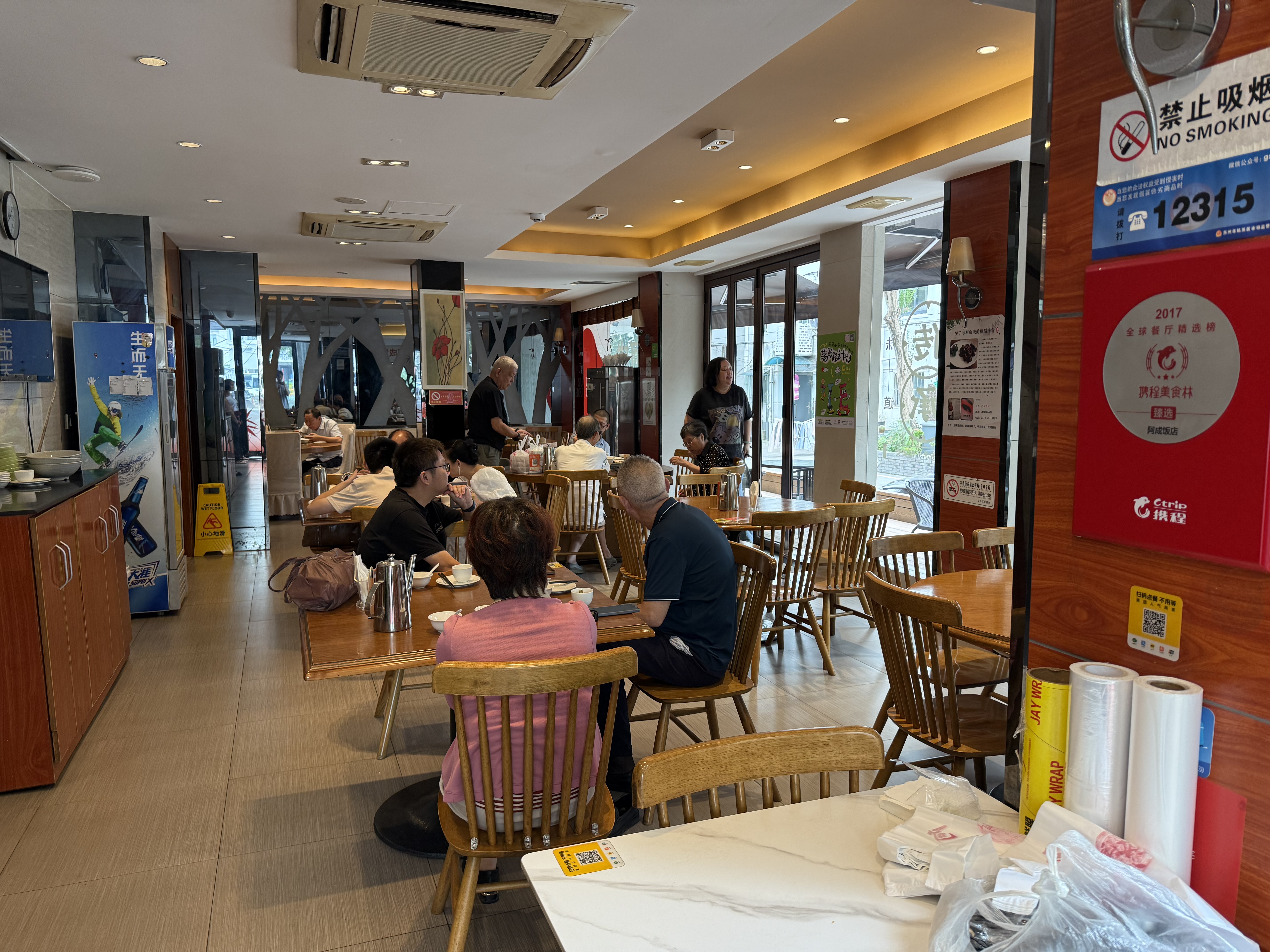
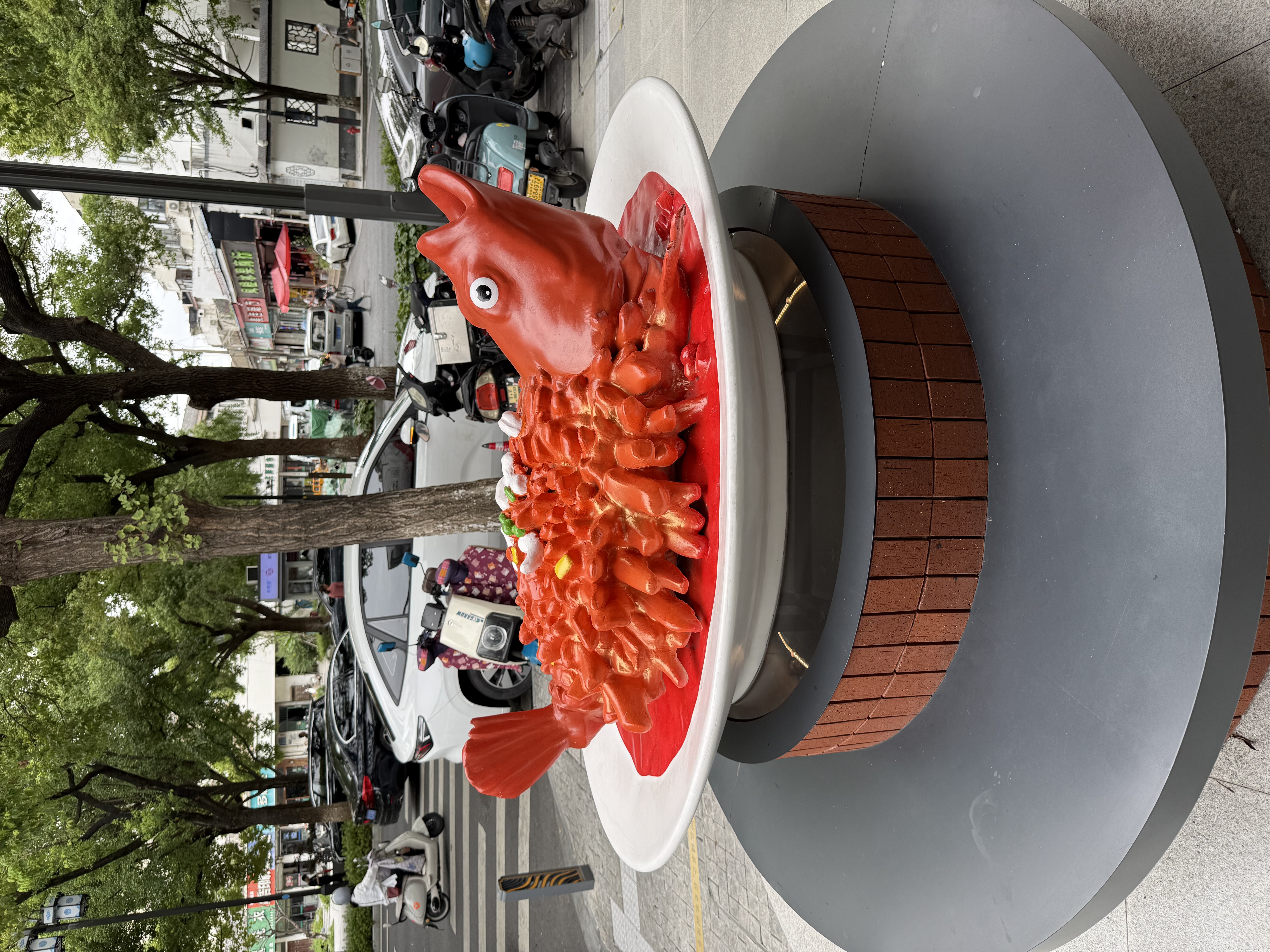
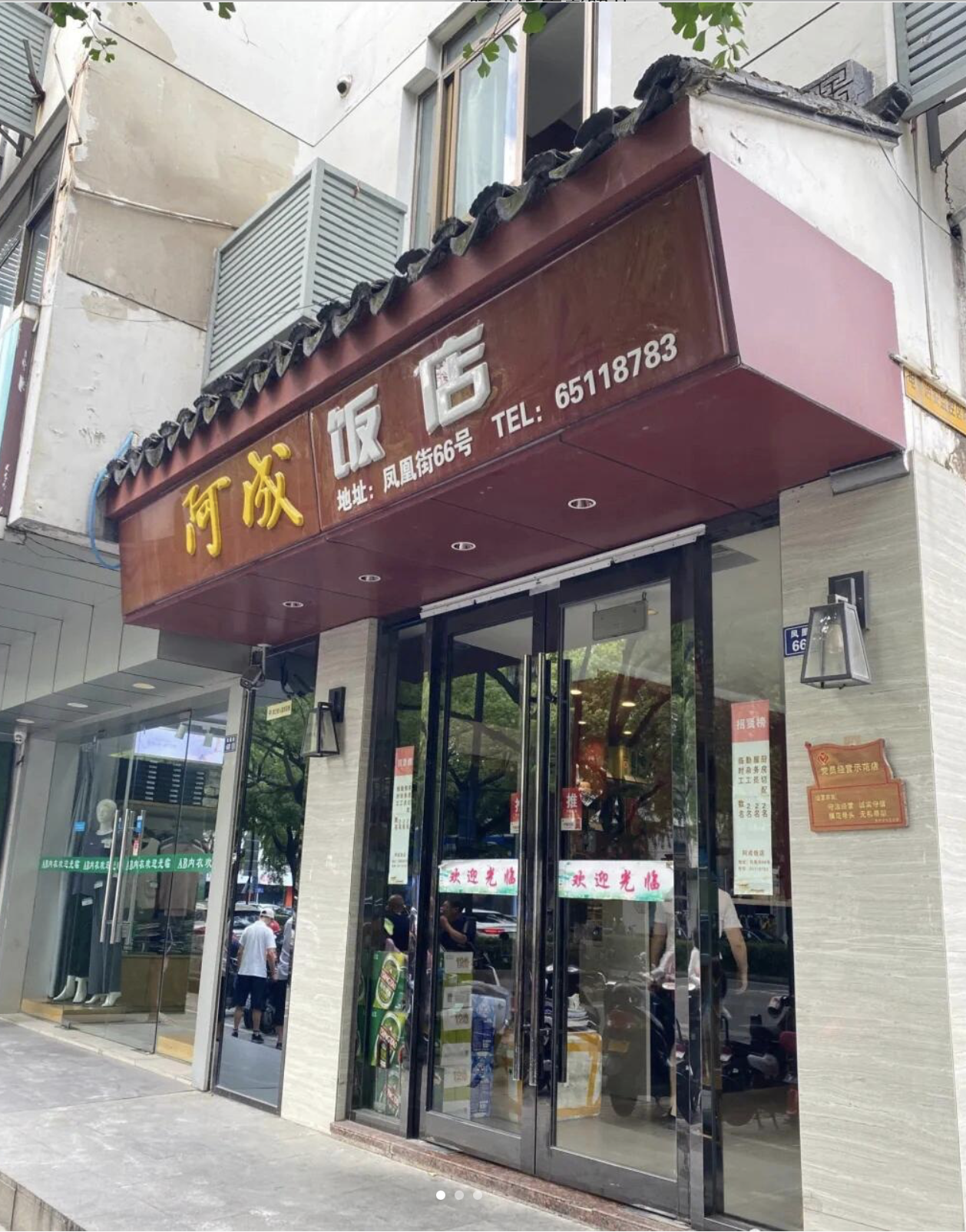
The restaurant's street-level frontage on Fenghuang Street draws regulars rather than destination diners. Signage is plain, consonant with a value proposition the owner describes as “接地气” (grounded)—affordability and freshness “as the first gate to guard.”
Micro-geographies of Labor
The back-of-house comprises prep (初加工), a steam and stew bench (蒸板), a sauté line (梅炉/炒灶), and plating (打荷)—a division of labor the owner described as indispensable for complex dishes. These spatial zones shape activity sequences and directly conditioned where cameras and equipment could be placed without interrupting service.
Street approach to Acheng Fandian
Fenghuang Street, Subang
Part II: Fieldwork Protocol
Date
September 21, 2025
Duration
11:00–15:00 (4 hours)
Participant
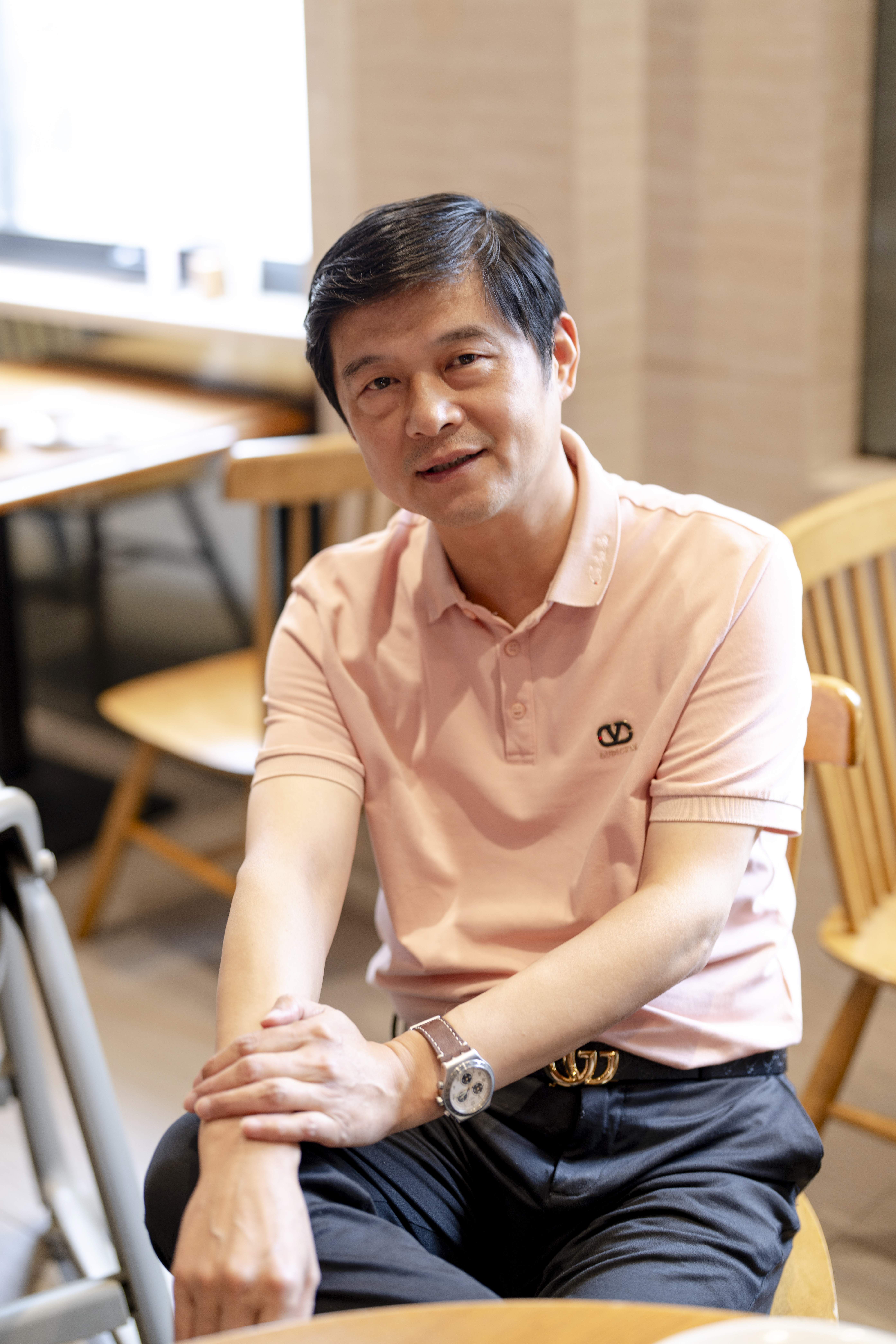
Mr. Shen Jiecheng (owner-chef)
Data Collection Methods
Ethics & Consent
Written informed consent obtained. Staff and patron privacy protected. Owner granted pre-publication review rights. Audio recording and image capture limited to agreed windows outside peak service hours.
Field Constraints
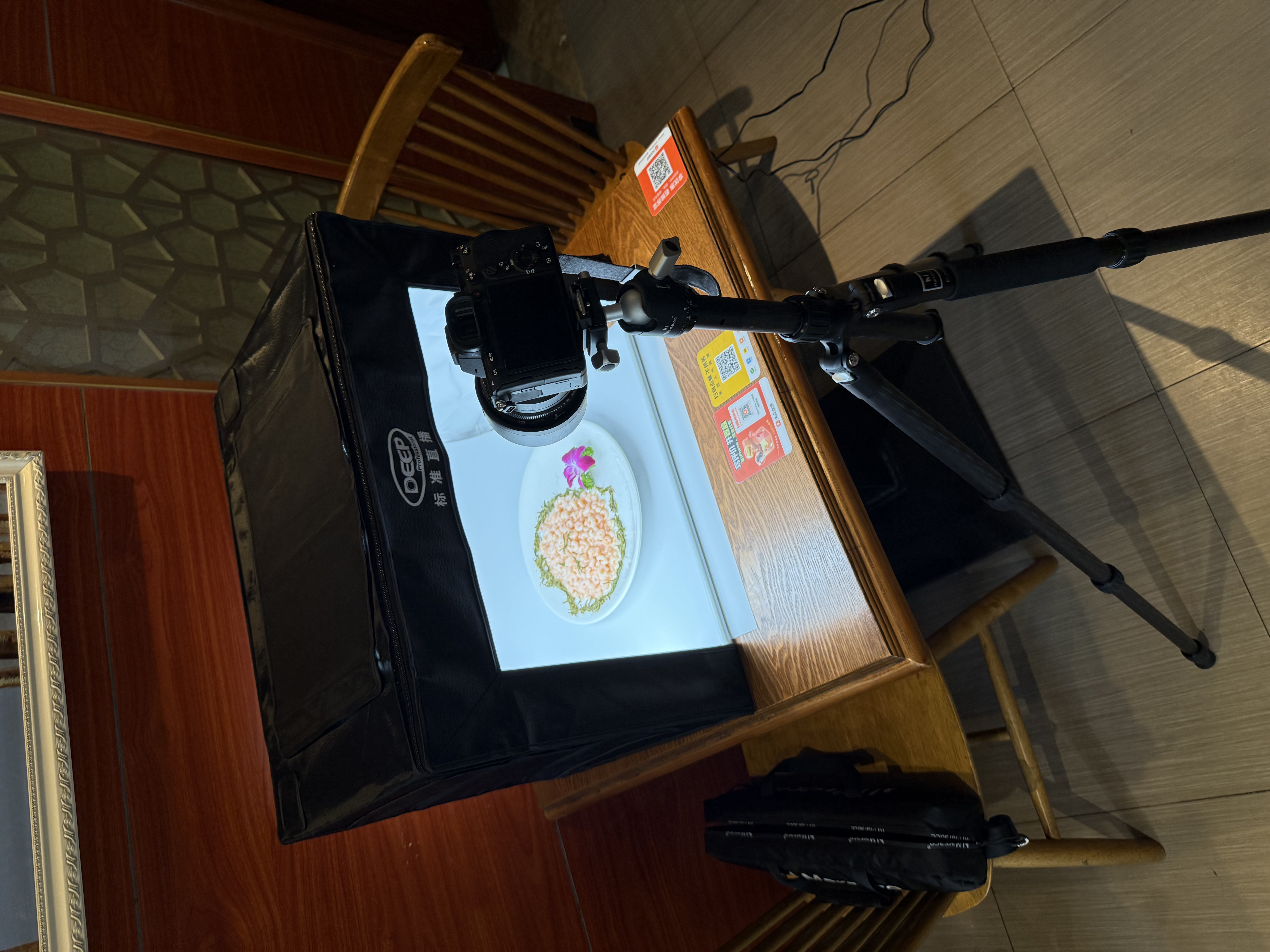
Narrow aisles, heat, and steam limited tripod placement and shot stability. Glossy surfaces and steam interference challenged LiDAR accuracy for certain dishes. These constraints disciplined the project toward precision—selecting vantage points that show consequential details rather than generic action.
Part III: Craft Observation
Decision criteria across dishes are encoded in visible and tactile signals: bubble size and tempo in oil, glaze viscosity at the moment of nappe, alignment and thickness of knife cuts, and fingertip tackiness tests that register surface starch development. The owner named these cues in the interview; we recorded them across footage in ways that can be referenced in the interface.

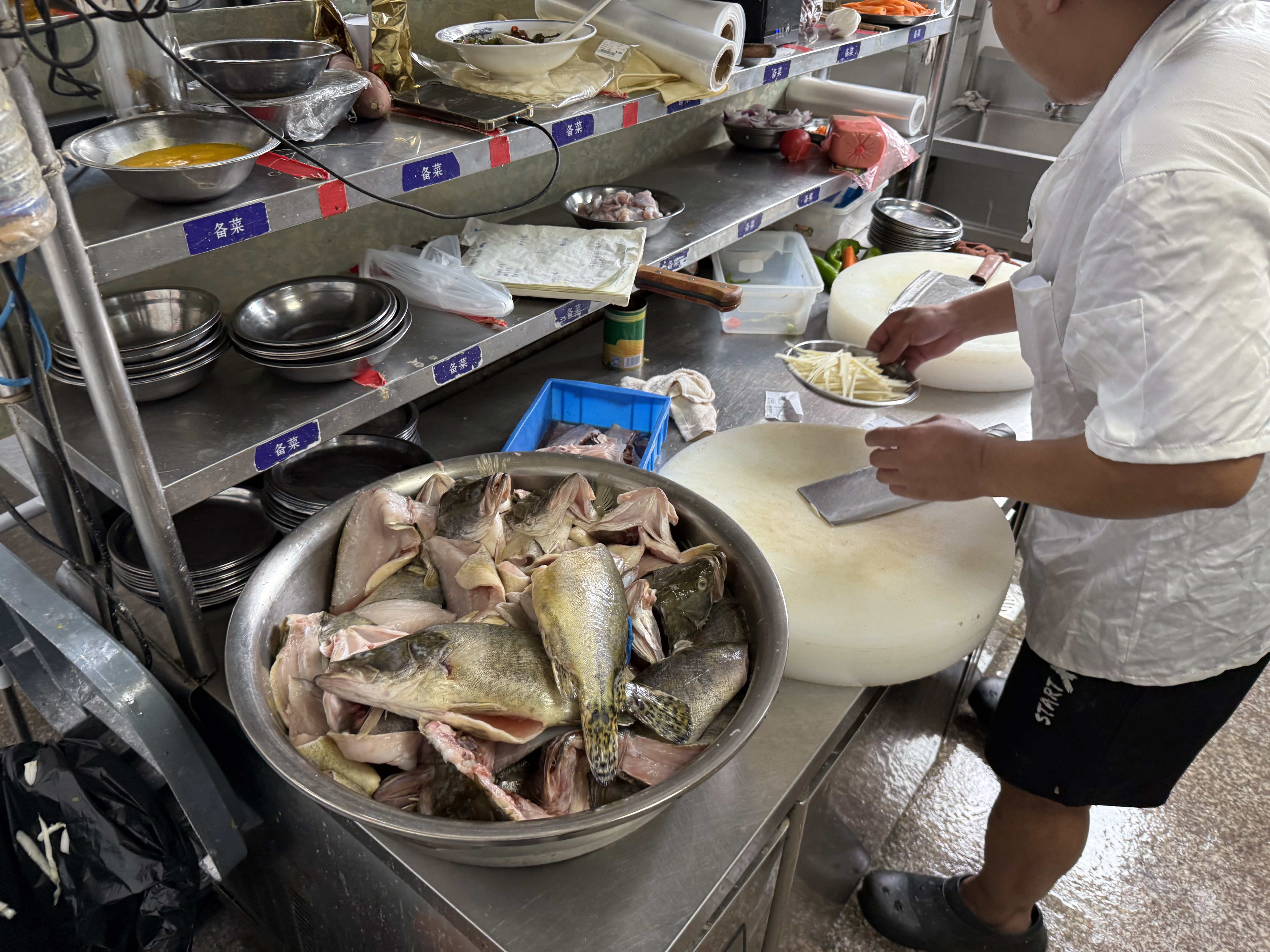
Knife Work: Lattice Precision
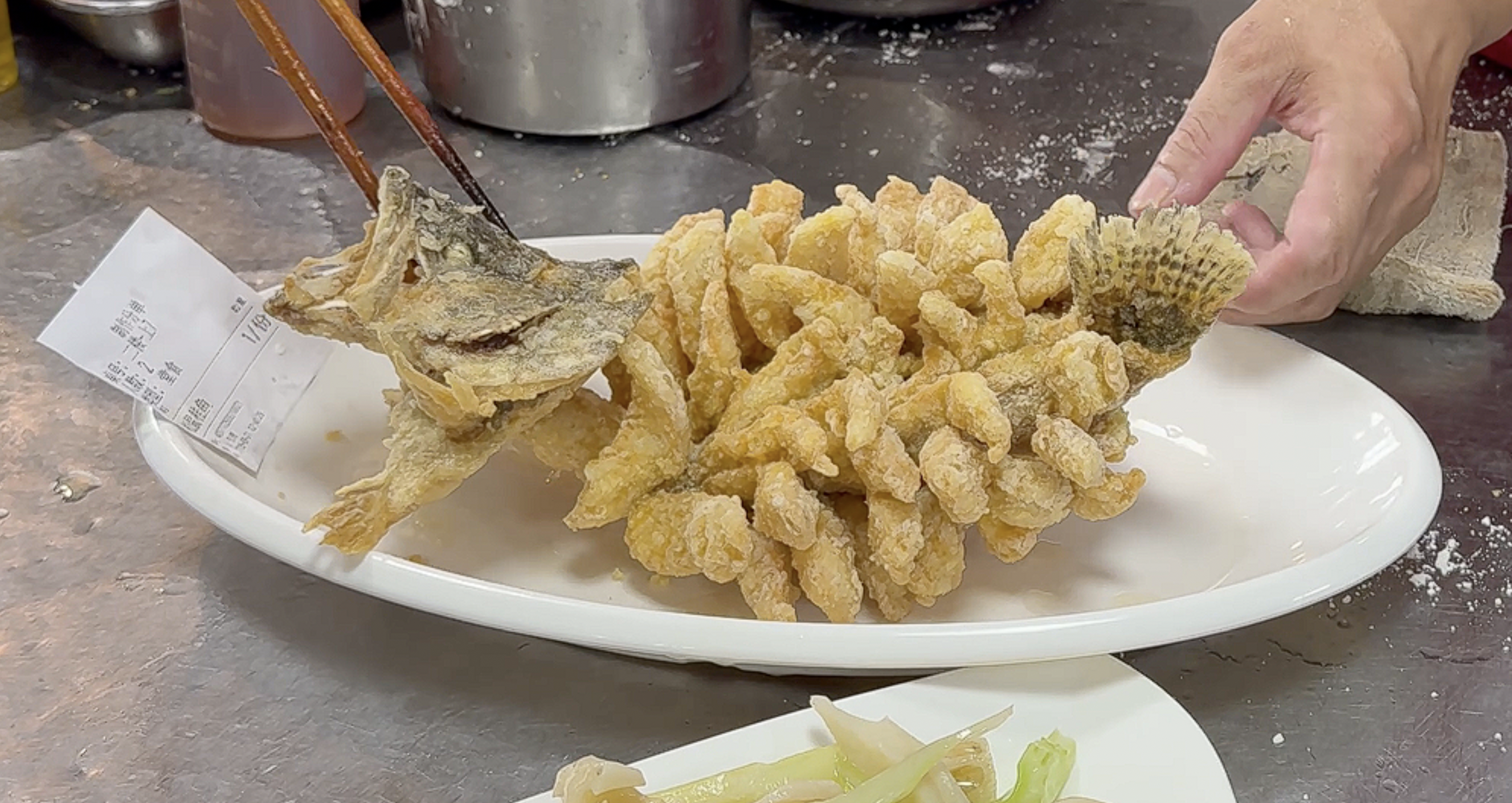
Photo Documentation | 松鼠桂鱼 preparation
Tacit cues: Blade angle relative to fish spine, depth control to avoid membrane rupture, rhythmic tempo indicating muscle memory

Oil Temperature: Bubble Tempo
Photo Documentation | Deep-frying technique
Tacit cues: Bubble size, tempo, oil shimmer patterns—decision criteria encoded in visual and auditory signals

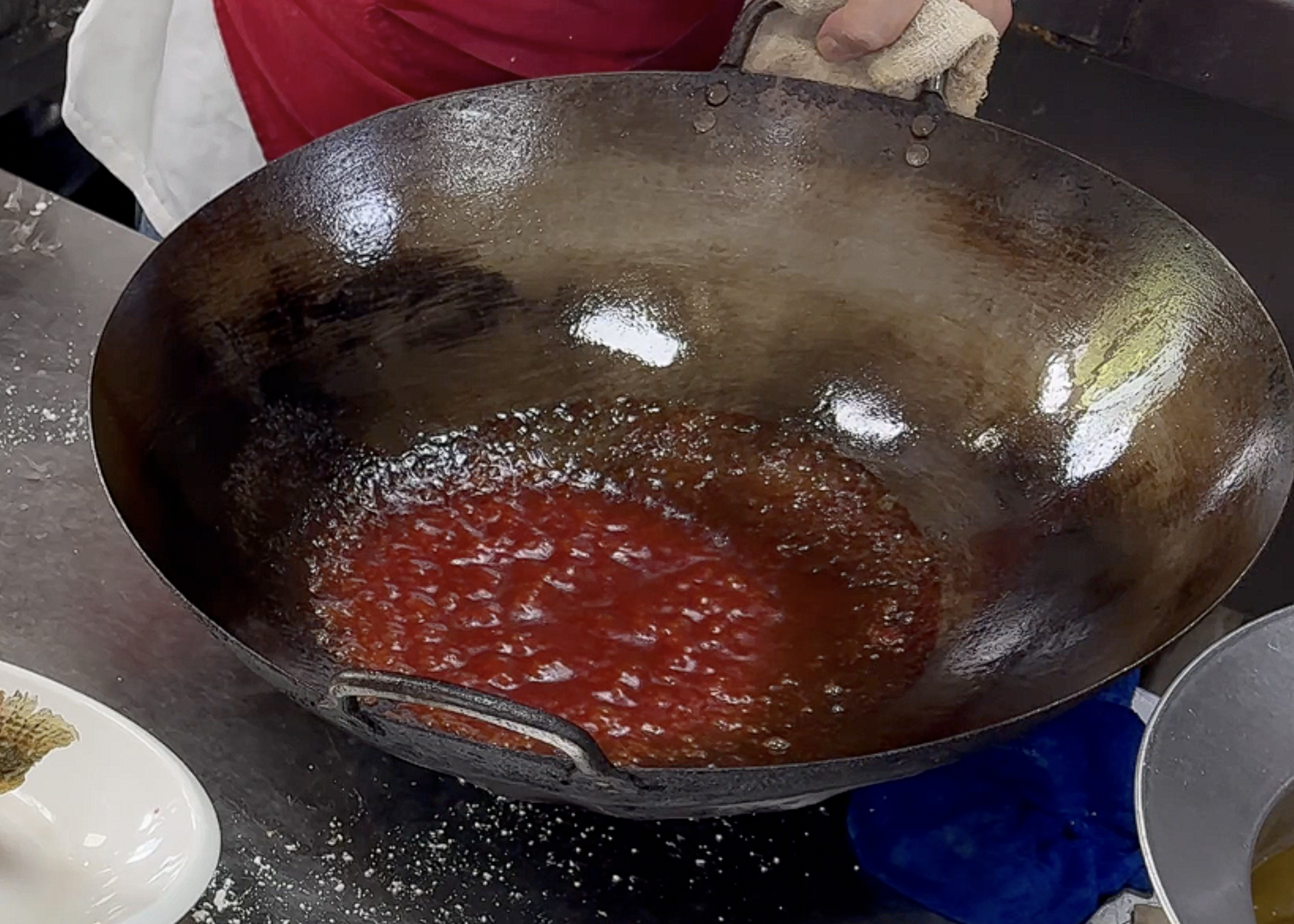
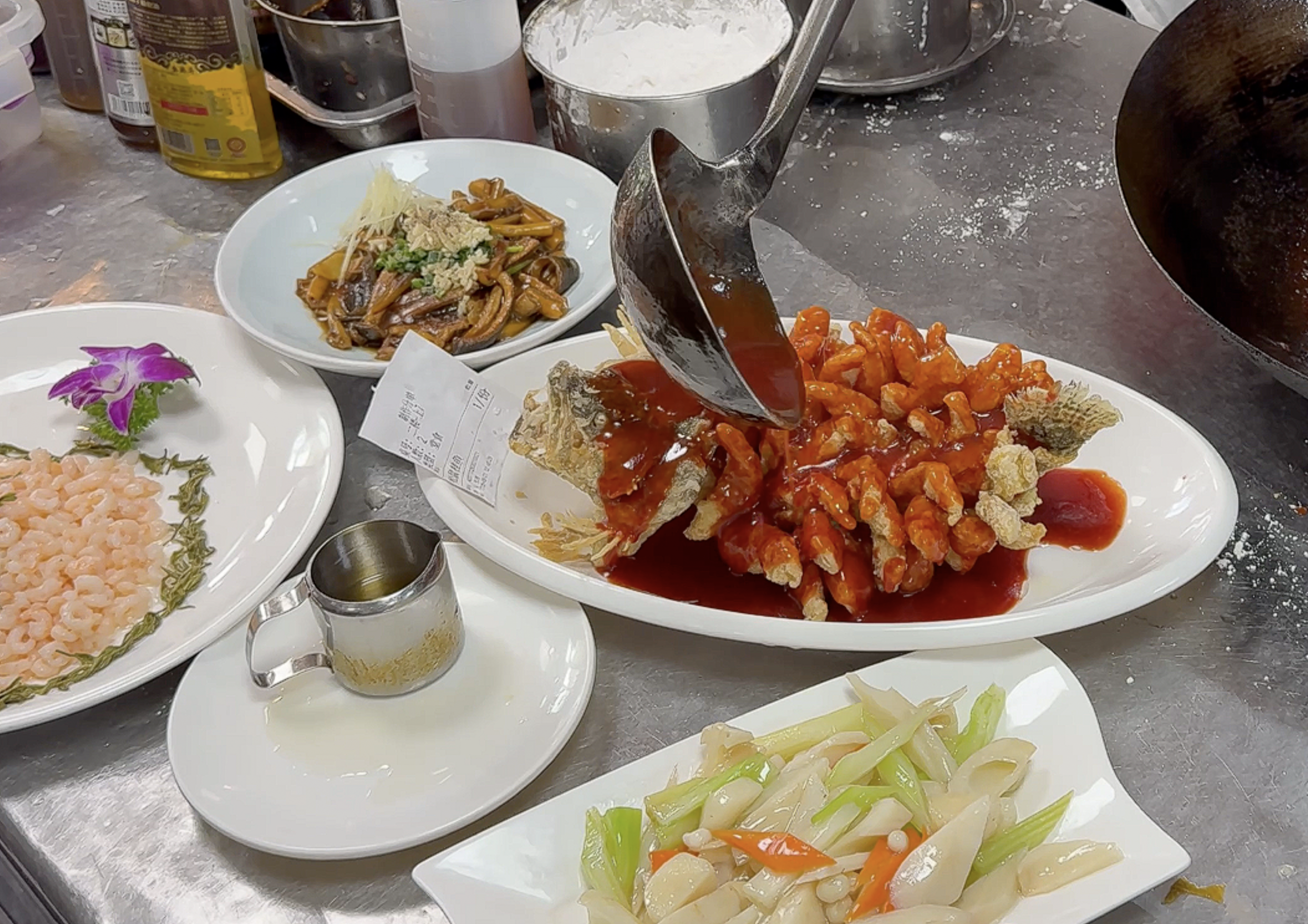
Sauce Finishing: Glaze at Nappe
Photo Documentation | 活卤 technique
Tacit cues: Glaze viscosity and clarity at the moment of nappe—visual judgment of sweet-sour balance
Quality as Craft Value
“新鲜度是第一道门” (Freshness is the first gate to guard)
This operates as a craft value rather than a branding slogan. It structures daily routines: morning market sourcing, tactile assessment (look, smell, touch), and time-sensitive prep sequences. We treat this value as a curatorial principle—footage and 3D assets privilege material truth over excessive post-processing.
— Mr. Shen Jiecheng, Interview (Sept 21, 2025)
Visual Documentation
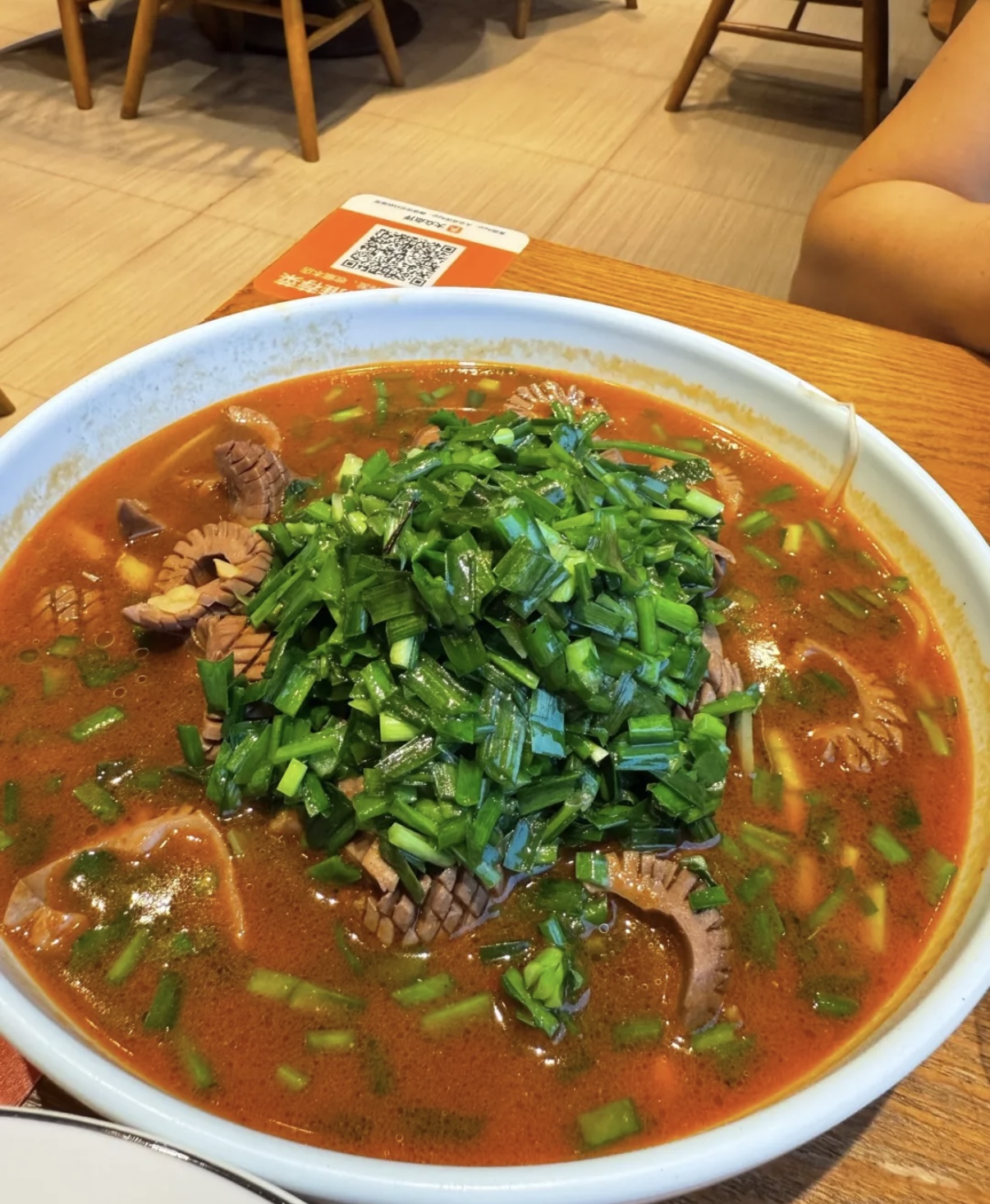
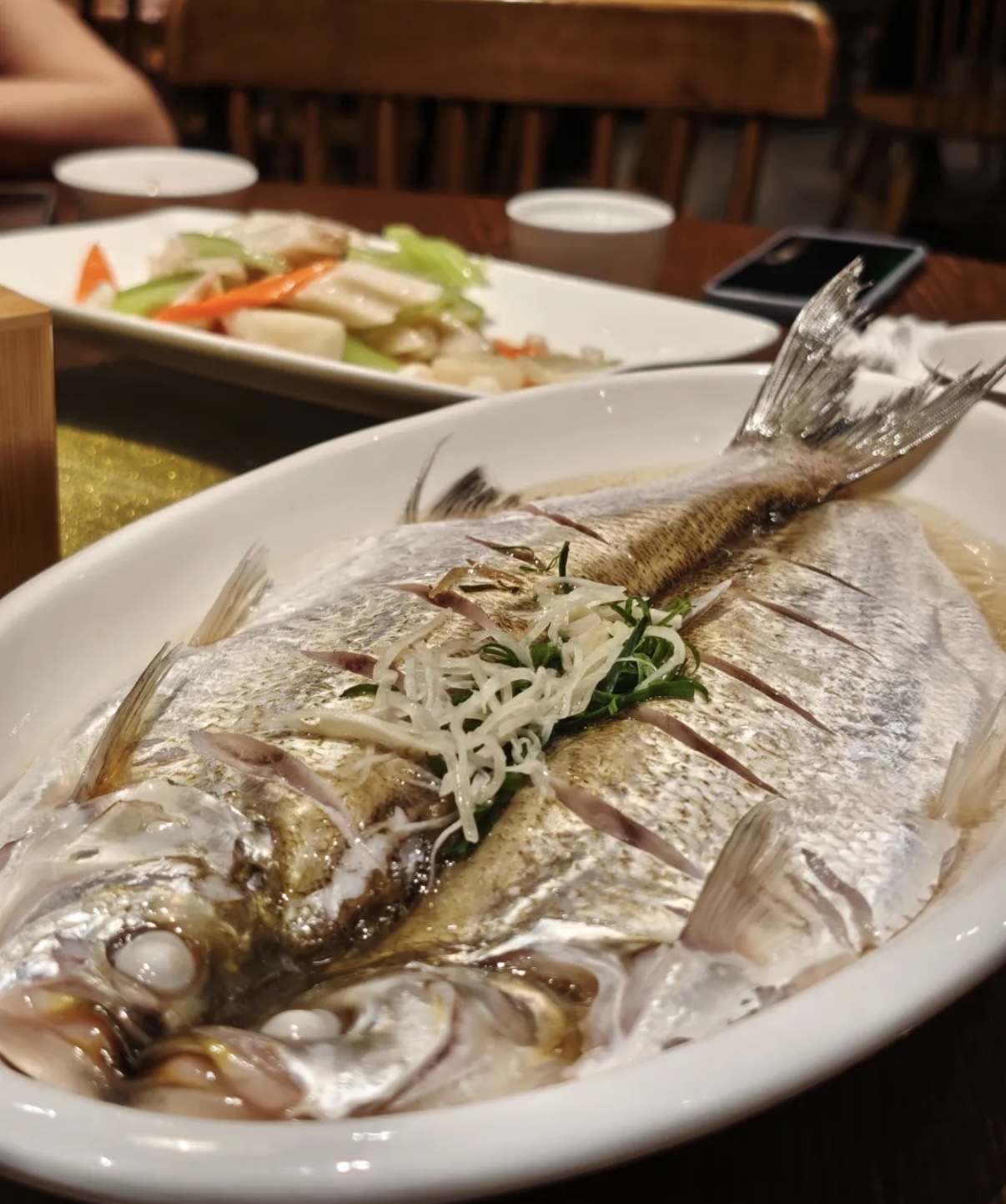
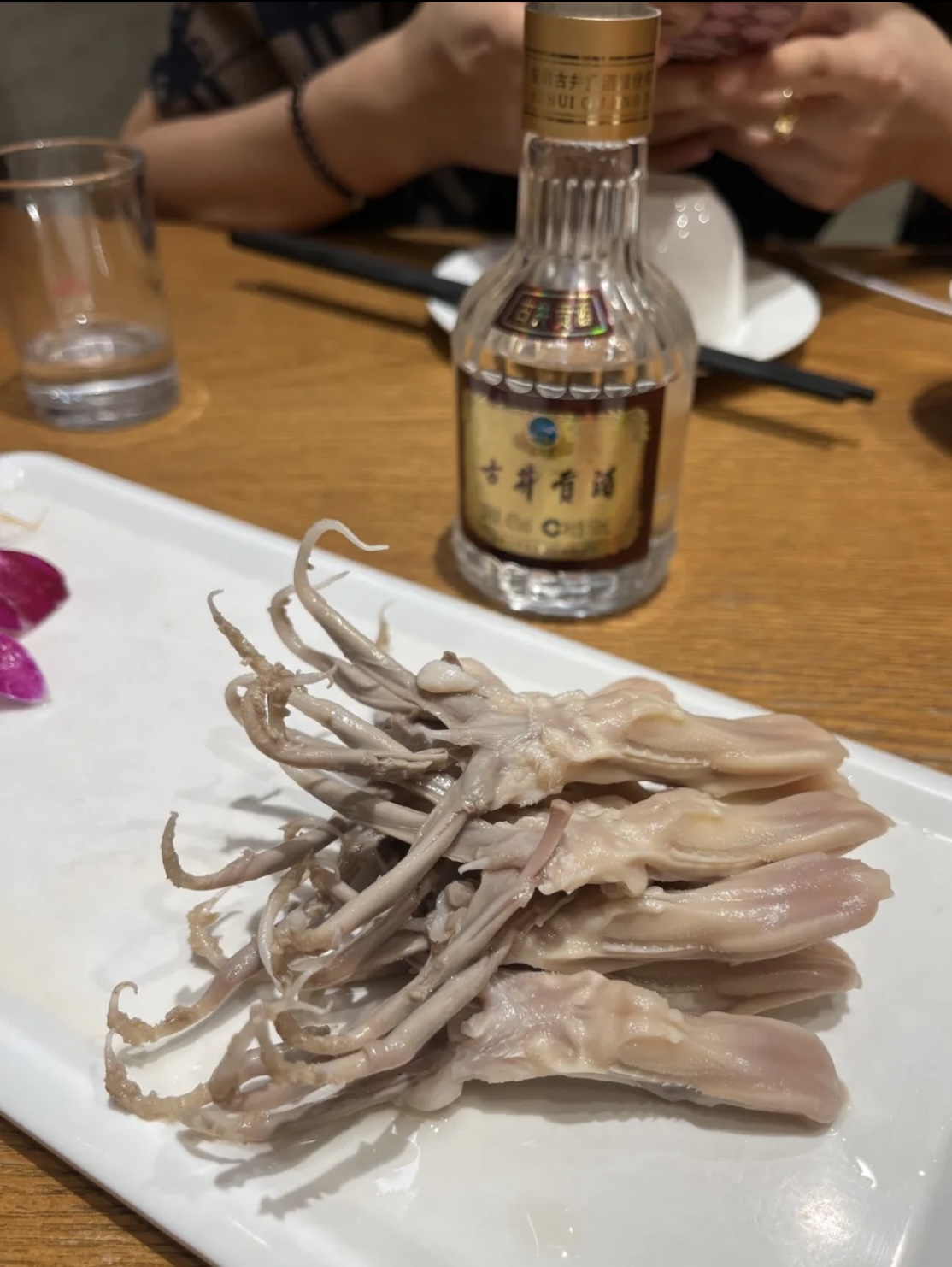
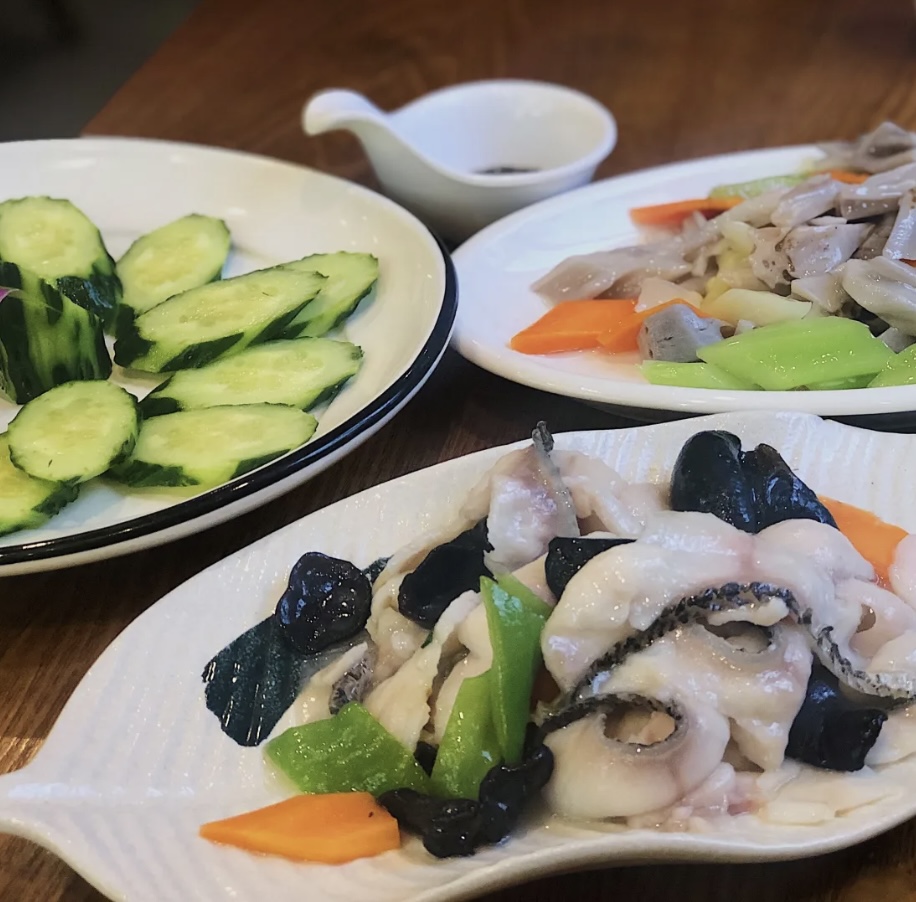
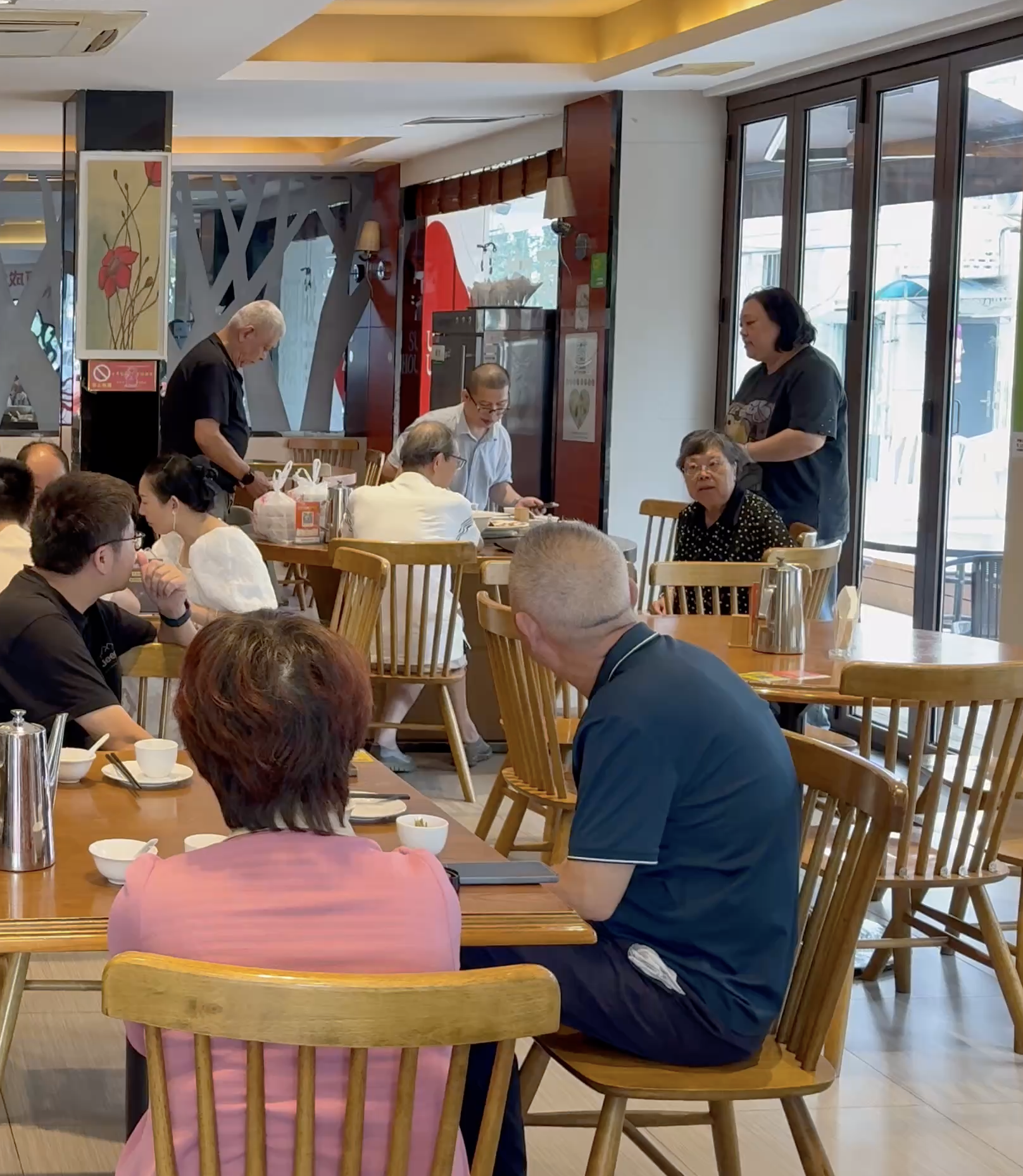
Photographic evidence from community sources documenting restaurant atmosphere.


大众点评网 · Dianping.com
Review data from Dianping.com (大众点评网) provides lay perspectives on taste, atmosphere, and value that complement our observational fieldwork. These testimonials capture community voice and reveal how neighborhood diners experience Acheng Fandian's approach to Su cuisine.
Selected reviews from Dianping.com (2024-2025, n=6) offering patron perspectives
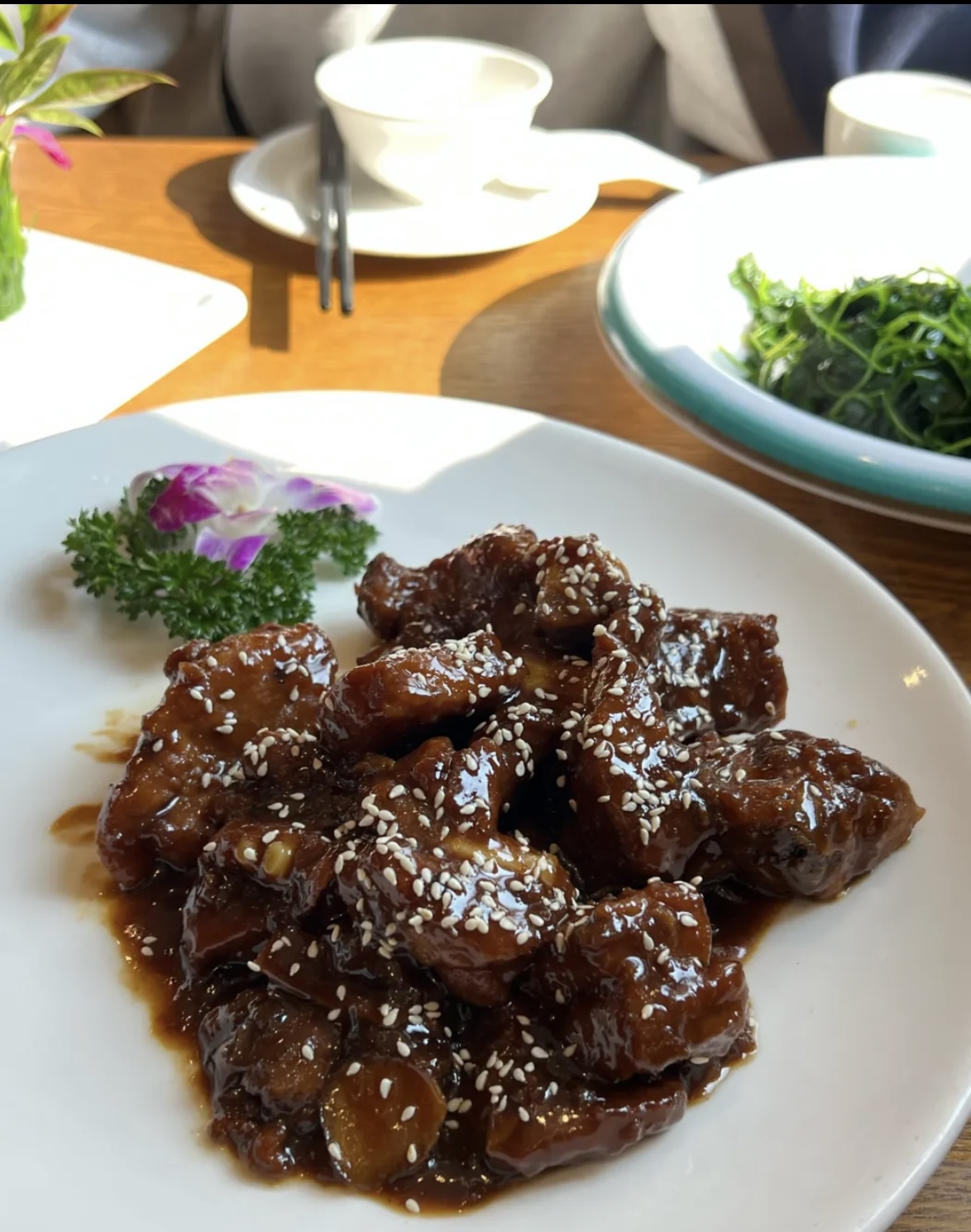
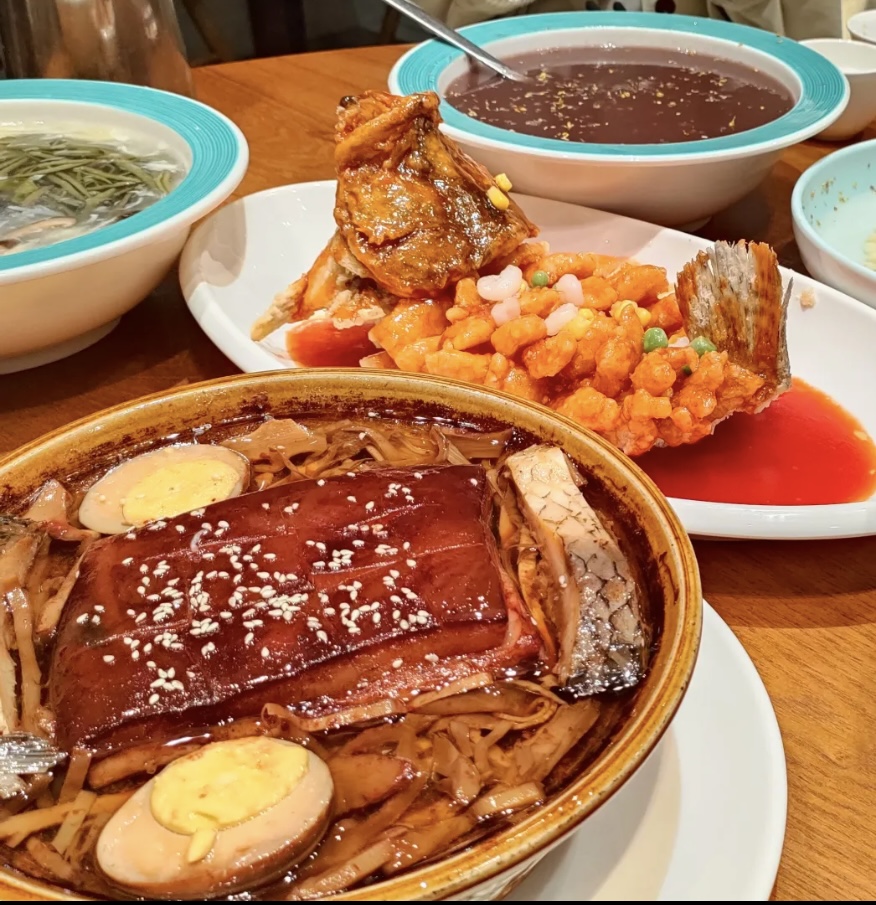
A long-standing establishment on Fenghuang Street, specializing in traditional Subang cuisine. The restaurant spans two floors with modest décor focusing on affordability. The Baishi Platter is authentic with pork tendon, tripe, fish slices, meat slices, black fungus, and bamboo shoots—light yet incredibly fresh. The Cherry Pork has a beautiful cherry-red color and tender texture. The Squirrel Fish is perfectly fried, crispy inside and out, though the sauce could be slightly more sweet and sour. Excellent value for money.
Diner A2025-10-07Verified
A true Suzhou heritage restaurant, serving authentic Subang cuisine. With the opening of Metro Line 6, it is now more accessible than ever. Their Baishi Platter, Cherry Pork, Leek with Pork Kidneys, Hand-Peeled River Shrimp, Squirrel Fish, and Salted Pork Vegetable Rice reach truly impressive standards. Private dining rooms upstairs require early reservations, but plenty of seating is available for walk-ins. Many diners come specifically for their reputation.
Diner B2025-10-06Verified
This Acheng Restaurant on Fenghuang Street has been operating for decades and serves genuinely authentic Subang cuisine. I have been dining here with friends for many years, and most customers are locals. The restaurant has recently been renovated with a pleasant environment. Their seasonal vegetables, shrimp, and braised pork knuckle are all exceptionally well-executed.
Diner C2025-09-26Verified
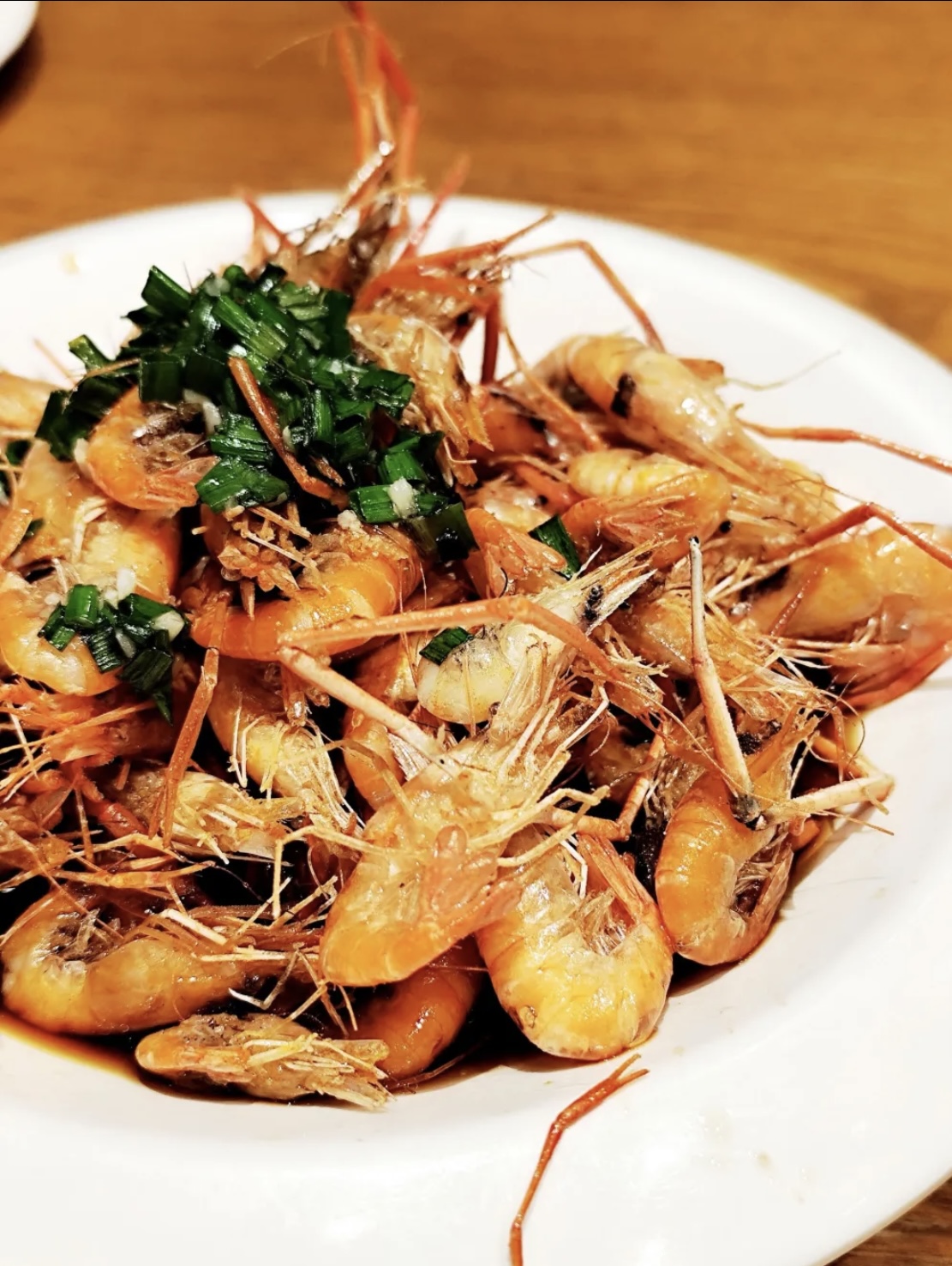
Outstanding value for money. I come here frequently. The location is excellent, close to my former school. The staff are very attentive, regularly changing our plates and providing thoughtful service. The Subang cuisine is authentic, and I often order takeout as well. The Hot Oil Eel is aromatic, the Soy Sauce Shrimp is fresh, and the radish is flavorful and tender—delicious. You cannot go wrong with any dish here. Simply excellent.
Diner D2025-09-21Verified
I have been dining at this restaurant for thirty years. Located at the intersection of Fenghuang Street and Shiquan Street, with a metro station to the north at Wangxingqiao, and adjacent to the popular Shiquan Street. The facade has recently been renovated, making the dining environment even better. They specialize in Subang cuisine—Squirrel Fish and Hot Oil Eel are exceptional. Absolutely a high-quality, affordable Subang restaurant with excellent repeat customer rates.
Diner E2025-09-13Verified
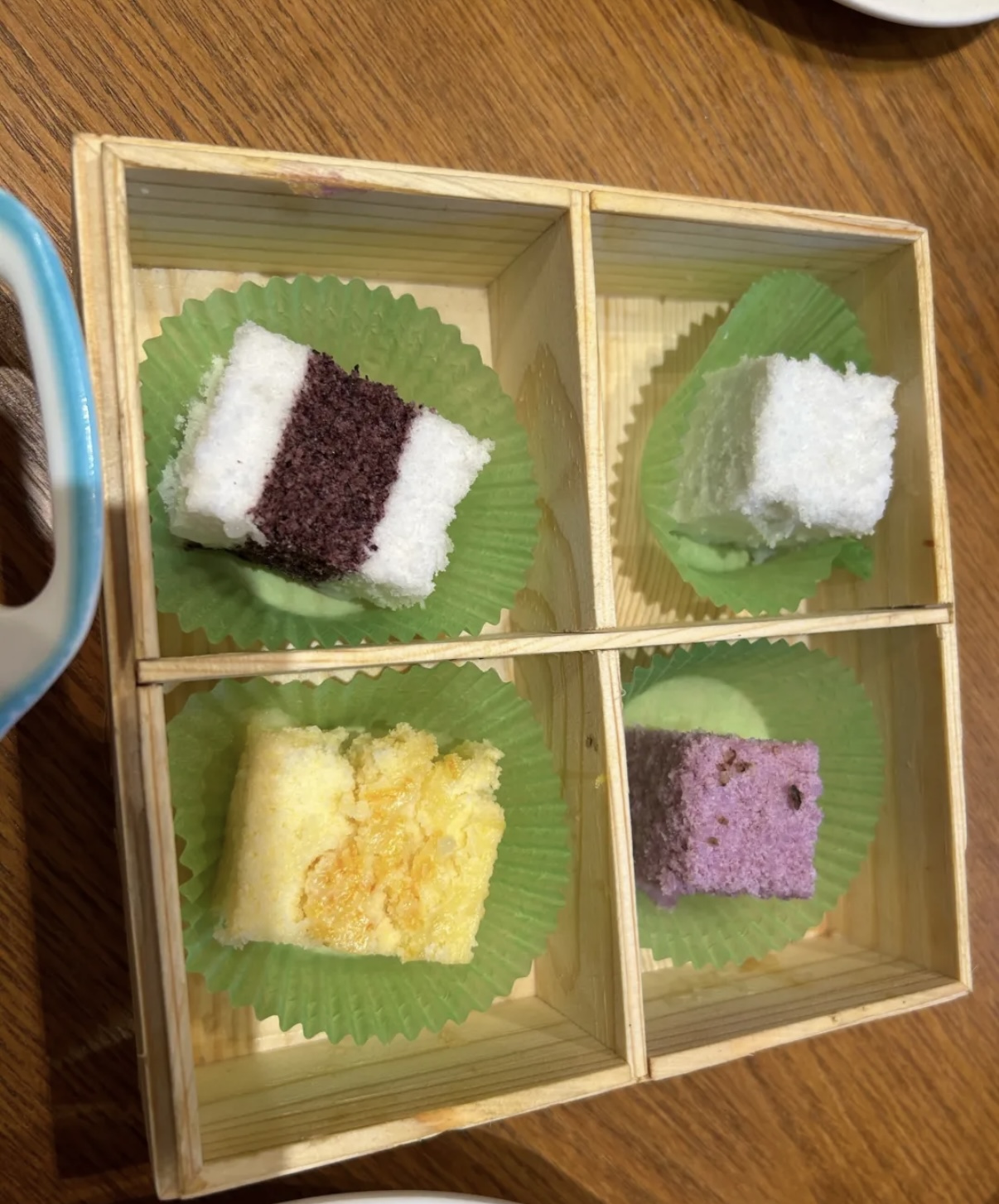
Acheng Restaurant is a long-established venue on Fenghuang Street, specializing in Subang cuisine. I had not visited in a while, but the environment has completely transformed—clean and tidy, with outdoor seating available. The food is excellent: the Stir-Fried River Shrimp is fresh and bouncy, the Lotus Pond Stir-Fry is crisp and refreshing, and the Osmanthus Rice Cake is soft, glutinous, and sweet with beautiful presentation. Attentive service—truly a fine Subang restaurant.
Diner F2025-09-01Verified
Culinary Archive
Technique as cultural practice: embodied skills, material cues, and decision criteria documented through fieldwork at Acheng Fandian.
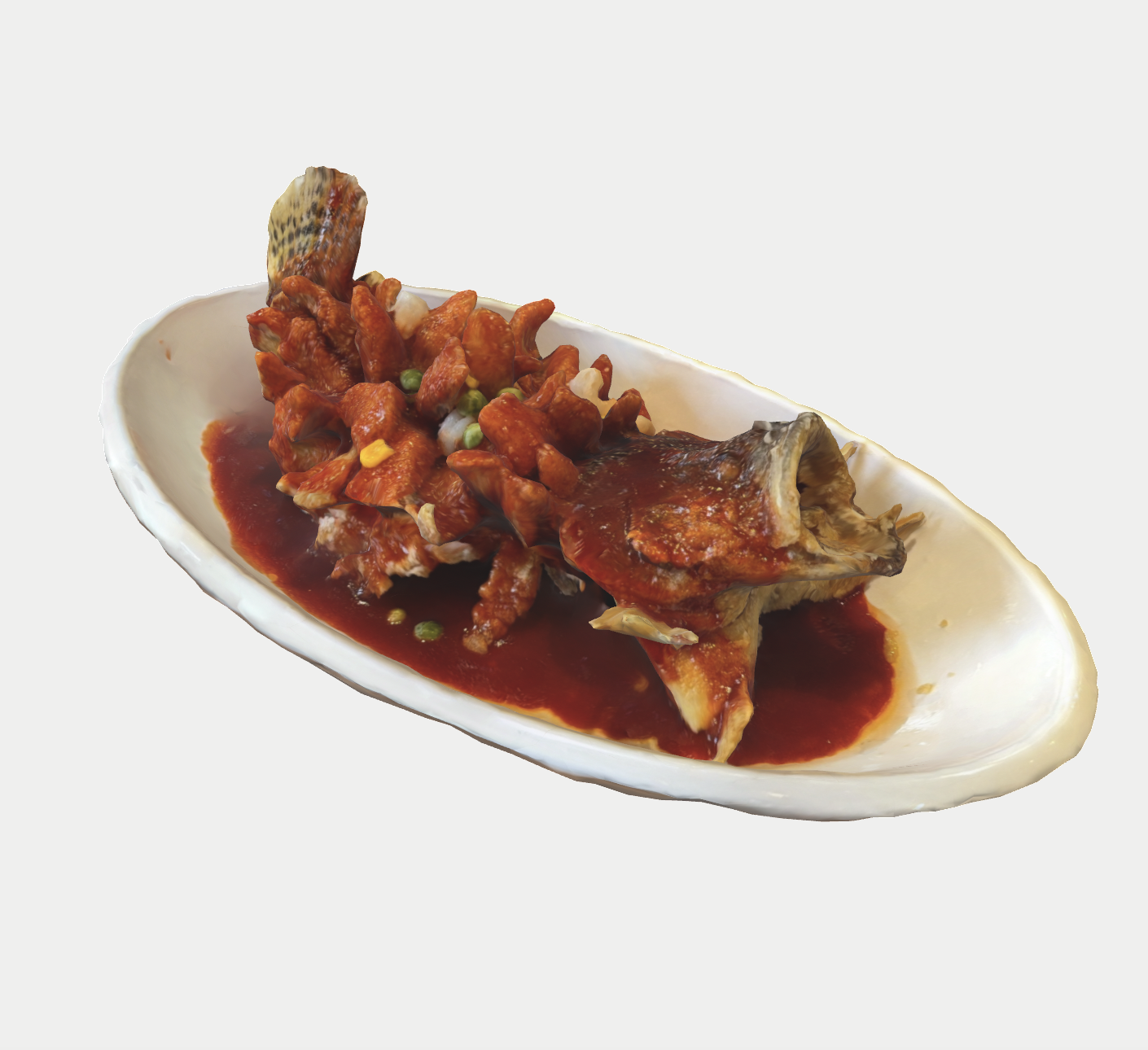
Squirrel Fish
Squirrel Fish (松鼠桂鱼) embodies tacit skill transmission in Su cuisine. The owner identifies three decisive competencies: precise knife work that creates the characteristic lattice without rupturing membranes, deep-fry shaping that holds form in oil, and a lively sweet-sour sauce (活卤) that must be blended and finished correctly for gloss and balance.
Fieldwork Documentation
"Knife work, oil-shaping, and live sauce harmony—three technical points. The knife work must be complex, the deep-frying must create a distinctive shape, and the sauce must balance sweet and sour flavors properly." — Mr. Shen Jiecheng, owner-chef (Interview, Sept 21, 2025)
More Subtle Dishes
Click the card below to explore more dishes from the fieldwork session
Restaurant Heritage
A 26-year journey of preserving Subang cuisine heritage while serving the local community with authentic, handcrafted dishes
Founder's 3 Business Philosophy
Shen Jiecheng (沈洁成)

Positioned as a restaurant for ordinary people with affordable pricing and high cost-performance ratio, ensuring quality Subang cuisine is accessible to everyone.
Chef's Philosophy
"It can attract more diners to visit and consume - this is the main business philosophy."

The degree of freshness is the primary quality control checkpoint. Experienced chefs employ the traditional method: look, smell, and touch to ensure ingredient quality.
Chef's Philosophy
"For Subang cuisine, the main ingredients must be very fresh. If the main ingredient is not fresh, the dish fails."

From chef to business owner, the founder maintains the tradition of handcrafted dishes, refusing to adopt pre-made ingredients despite industry trends.
Chef's Philosophy
"For Subang cuisine, following the traditional approach yields better results."
Restaurant Evolution Timeline
Heritage Journey
When dreams took shape
In an era when private restaurants were revolutionary...
The first flames were lit in a modest kitchen. This wasn't just about cooking—it was about preserving a dying art. While state-owned restaurants dominated, one chef dared to dream of authentic Subang cuisine served with heart.
Historical Context
Private dining was rare and risky. This wasn't just business—it was cultural rebellion, preserving techniques that were fading into obscurity.
The Acheng story begins
Fenghuang Street, 1999. A name is born.
"Acheng" — simple, honest, grounded. The founder chose his own given name, rejecting flashy marketing for something real. This wasn't a restaurant for the elite. This was for the people.

Where it all started
The original Fenghuang Street location
The Founding Manifesto
"The name sounds ordinary, but the meaning is to be grounded and align with the mass consumption route—high cost-performance ratio, not expensive, but the ingredients are genuine and fresh."
— Shen Jiecheng, Founder
26+
Years of legacy building
∞
Authentic dishes served
Evolution meets heritage
25 years later. Time for a renaissance.
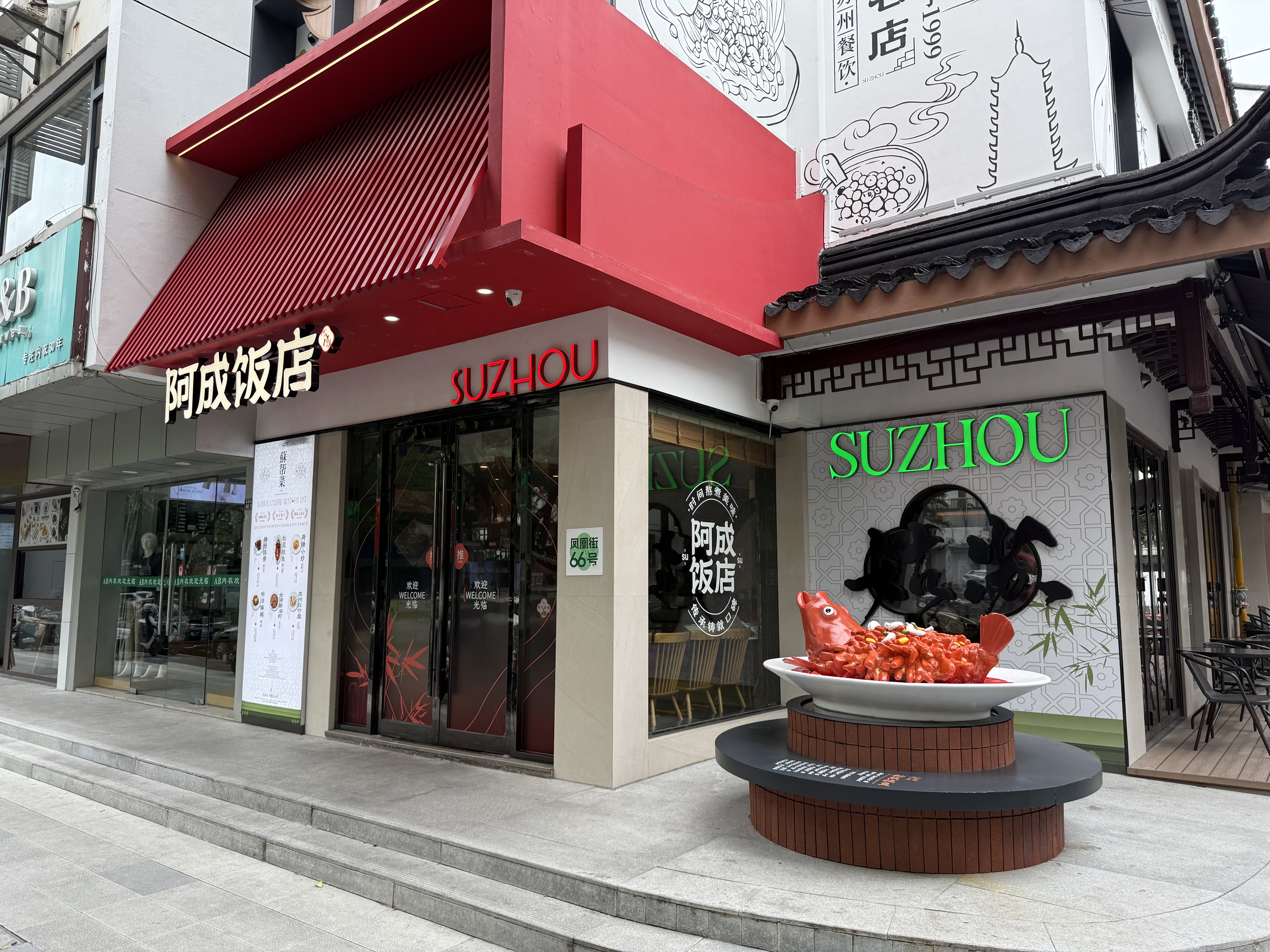
The walls that held decades of memories were ready for rebirth. Bold colors, modern aesthetics, youthful energy—but the soul? That stays eternal.
Heritage
Traditional craftsmanship, authentic recipes, cultural roots
Innovation
Contemporary design, youth appeal, Instagram-worthy aesthetics
100%
Exterior renewed
Gen Z
New audience reached
0%
Soul compromised
Video Source
XiaohongshuToday and tomorrow
2025. The story continues—stronger than ever.
Three decades of evolution. A new facade that turns heads. But step inside? The same unwavering commitment to craft, the same obsession with freshness, the same handmade soul that started it all.

The transformed storefront
Bold colors, modern design, timeless soul
Daily Fresh Supply Chain
Orders placed at night, delivered at dawn. Every ingredient arrives fresh, ready for the day's magic.
100% From Scratch
No shortcuts. No frozen meals. No compromises. Every dish crafted by hand, the traditional way.
Modern Adaptation
Tradition doesn't mean stubborn. We've adapted: less oil, less sugar, less salt—responding to modern health consciousness without sacrificing the essence of Subang cuisine.
The Question Ahead
"As society evolves and people change, who will carry the torch? Family succession? A trusted apprentice? The future is uncertain—but the mission is crystal clear: these techniques must survive."
Research Context
Fieldwork Scope
This documentation is based on a four-hour fieldwork session (September 21, 2025, 11:00–15:00) combining participant observation, photography, video capture, and a semi-structured interview with owner-chef Mr. Shen Jiecheng. A dual 3D capture pipeline (AI-assisted mesh + LiDAR USDZ scans) was employed for dish models.
Limitations
Future Work
Next phase: full-day documentary from supply intake through closing, community interviews across age cohorts, improved 3D fidelity with controlled lighting, and institutional repository deposit for long-term access.
Location
Address
66 Fenghuang Street, Suzhou, Jiangsu Province
Established
1999
Cultural Legacy
As society evolves and people change, the question of heritage continuation remains. Whether through family succession or trusted representatives, the goal is to ensure these culinary techniques continue for future generations.
Project Manifesto
An immersive, multi-modal documentation of Acheng Restaurant: four dishes, one shop, one community—preserved through photography, video, audio, 3D models, and structured data.
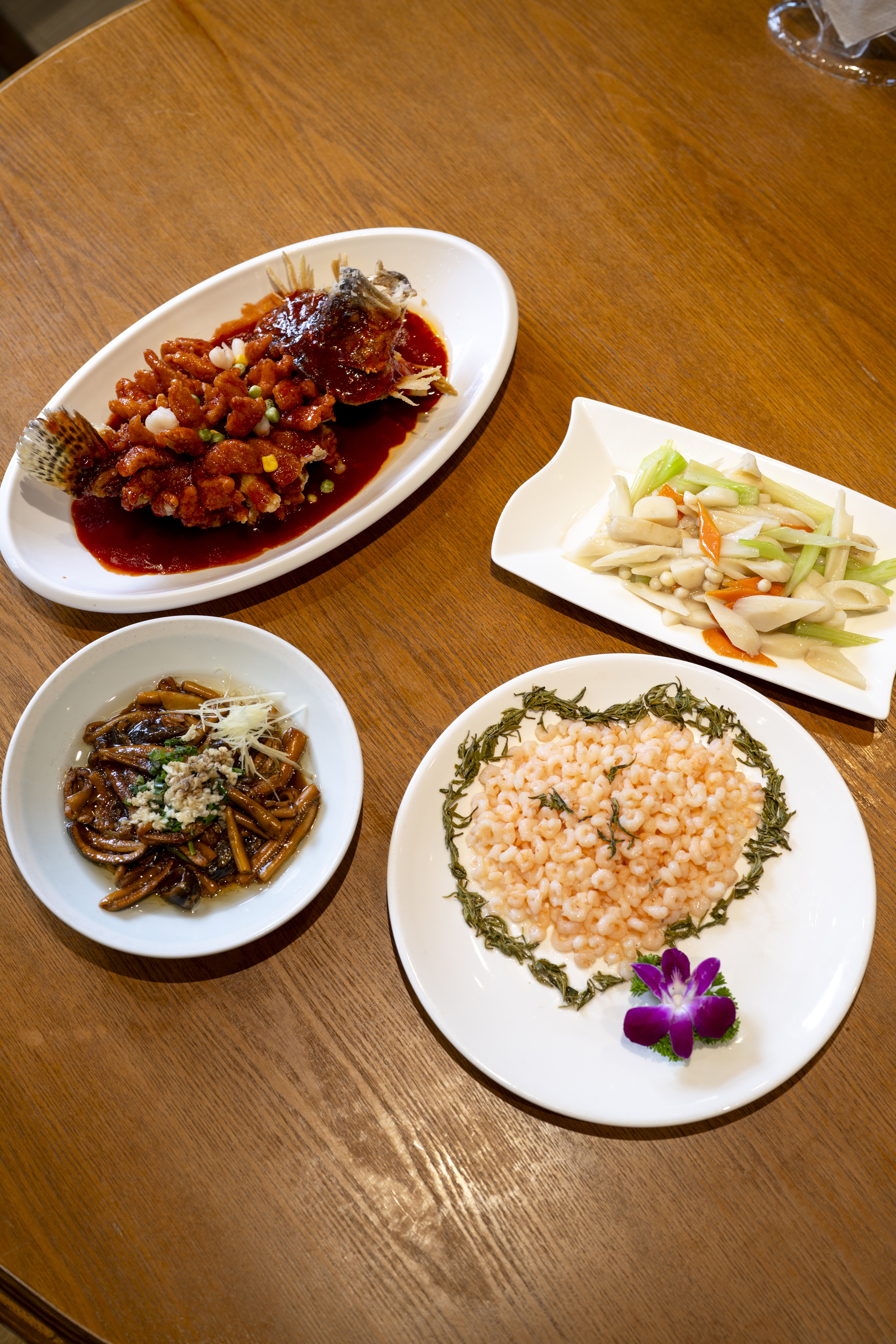
松鼠桂鱼 · 荷塘小炒 · 响油鳝糊 · 碧螺虾仁
Multi-angle studio images with 5000K lighting
Sept 21, 11:00–15:00 (solo)
Owner interview + chef voice notes


Workflow
A two-hour field pattern extended to a four-hour solo session (Sept 21, 11:00–15:00). Each step produces verifiable, linked materials that feed dish pages and the 3D gallery.
Trusted access via concise consent form; align goals and privacy (renovation, recipes, visibility levels).
Exterior street context → dining room ambience; establish environmental baseline for narrative continuity.
Four dishes documented with studio photos, process videos, and 3D capture. Maintain angle and lighting consistency.
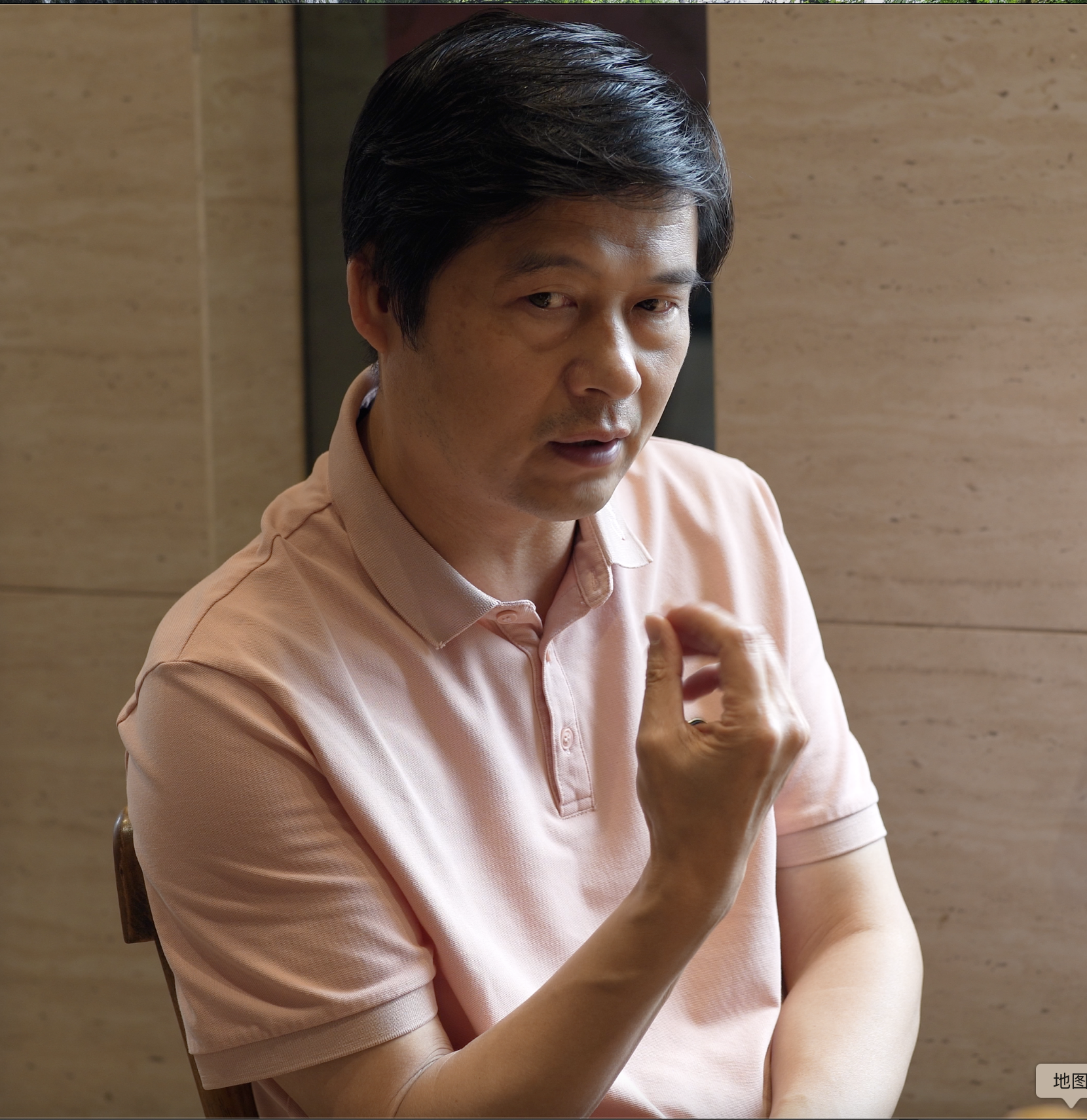
25-minute semi-structured owner interview + 30s chef voice cards (what's hard, how to judge '到位').
3-2-1 backups; unified filenames and metadata table link media to dish pages and 3D exhibits.
Owner interview excerpt documenting heritage, technique, and preservation mindset.
Interview with Mr. Shen Jiecheng discussing culinary heritage and preservation philosophy.
Data Schema
Unified naming and metadata enable cross-linking between photos, videos, audio notes, and 3D models. This powers the dish detail pages and search.
date_place_object_type_index 2025-09-21_阿成_松鼠桂鱼_视频_01.mp4 Fields (CSV/JSON): - dish_zh, dish_en, alt_names - story_summary (≈200 chars) - ingredients (with weights/ratios) - technique_tags (e.g., 上浆, 走油, 收汁) - vessels_tools - timing_heat (判据: 声/色/闻) - season_festival - cost_time_constraints - audio_path, video_path, model_path - rights_consent_id, review_status - capture_date, location, photographer
Theoretical Framework
This project bridges interactive heritage discourse and human–food digital narration, positioning neighborhood restaurants as stewards of cultural memory and tacit knowledge.
Interactive digital narration enables visitors to engage with culinary heritage through embodied attention and exploratory manipulation. By inviting the viewer's hand through 3D rotation and zoom, we evoke a mode of learning that recalls studio pedagogy in craft, where hands mediate meaning between the viewer's sensorimotor intuition and the kitchen's tacit criteria.
Silvia Mirri, Catia Prandi, Marco Roccetti, and Paola Salomoni, "Handmade Narrations: Handling Digital Narrations on Food and Gastronomic Culture," ACM Journal on Computing and Cultural Heritage 10, no. 4 (July 2017): Article 20, https://doi.org/10.1145/3097569.
When direct access to cultural practices is constrained, contemporary technologies—3D fabrication, media performance, and interactive visualization—can render otherwise inaccessible traces sensible to modern audiences. This project adapts that logic to edible culture, using 3D not to monumentalize an object but to stabilize a way of seeing that might otherwise disappear with a retiring chef.
Tak‑Cheung Hui and Yu‑Chia Kuo, "A Concert in a Vanished Church: Contextualizing Peace Island's Auditory History with Modern Technology," Proceedings of the ACM on Computer Graphics and Interactive Techniques 7, no. 4 (August 2024): Article 65, https://doi.org/10.1145/3664218.
By documenting Acheng Fandian at the threshold of intergenerational transfer, we attend to the fragile infrastructures through which taste is reproduced: seasonal sourcing, the patience of mise‑en‑place, and the rhythm of service that calibrates technique to the day's variability. The micro‑museum foregrounds a category of culinary heritage that often escapes institutional attention because it is ordinary and ongoing rather than spectacular.
Mr. Shen Jiecheng (owner‑chef, Acheng Fandian), interview by the project team, Suzhou, September 21, 2025. "新鲜度是第一道门 (Freshness is the first gate to guard)"—a craft value rather than a branding slogan.
This project demonstrates that a careful blend of fieldwork and web‑native interactivity can capture and transmit fragile culinary knowledge at neighborhood scale. Rather than isolating recipes, we connect technique to space, time, and decision cues in a way that supports both scholarly citation and lay learning. The hope is that similar micro‑museums could be developed around other kitchens, forming a distributed documentation of regional cuisines.